
Forest Blessings – Rama and Lakshmana
Handcrafted by KalaKraft Original · India
₹799 · SKU KKOG-040 · In stock
Available sizes
- A4 — Digital print on paper ₹799 · Digital print on canvas ₹1,278
- A3 — Digital print on paper ₹999 · Digital print on canvas ₹1,598
Description
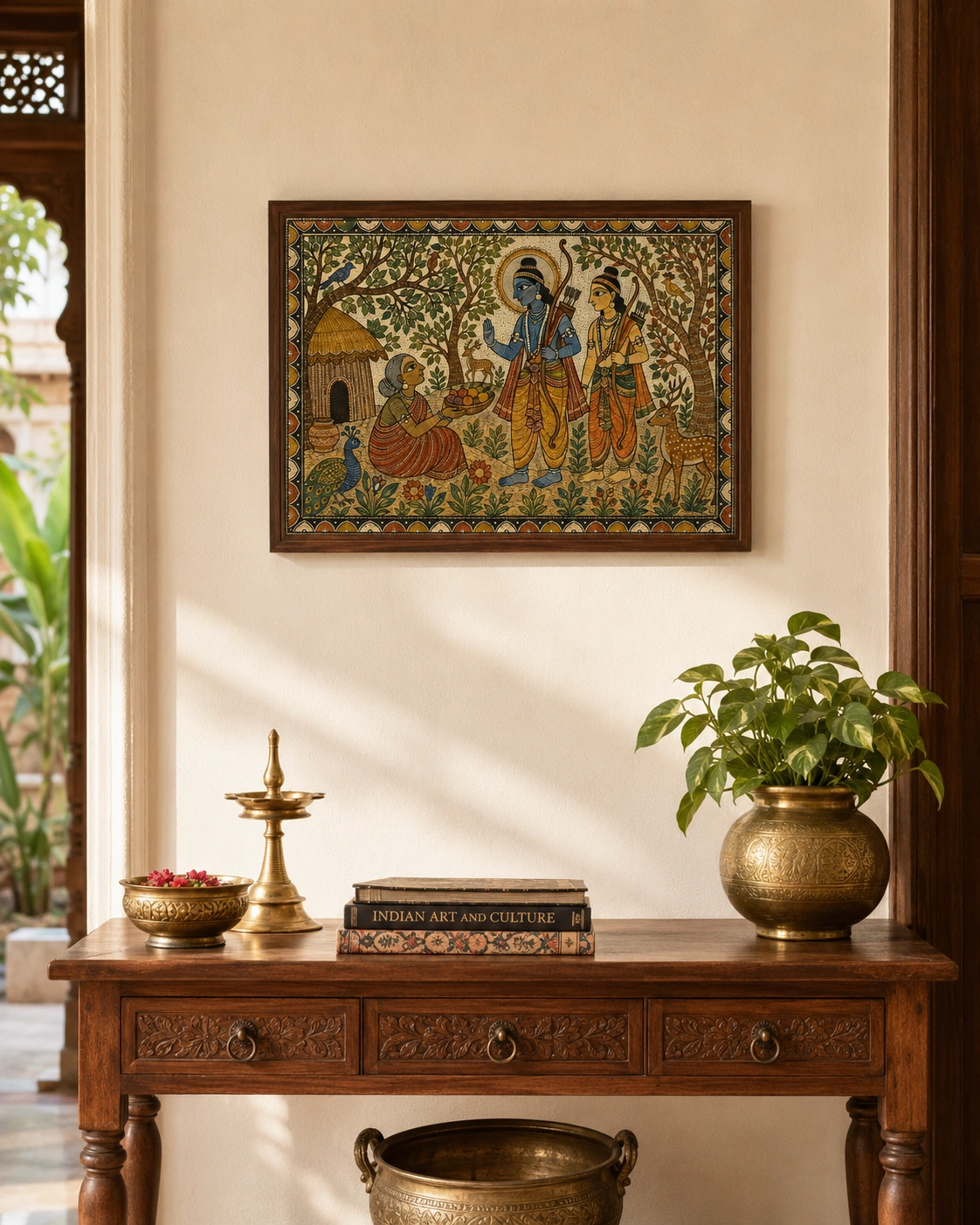
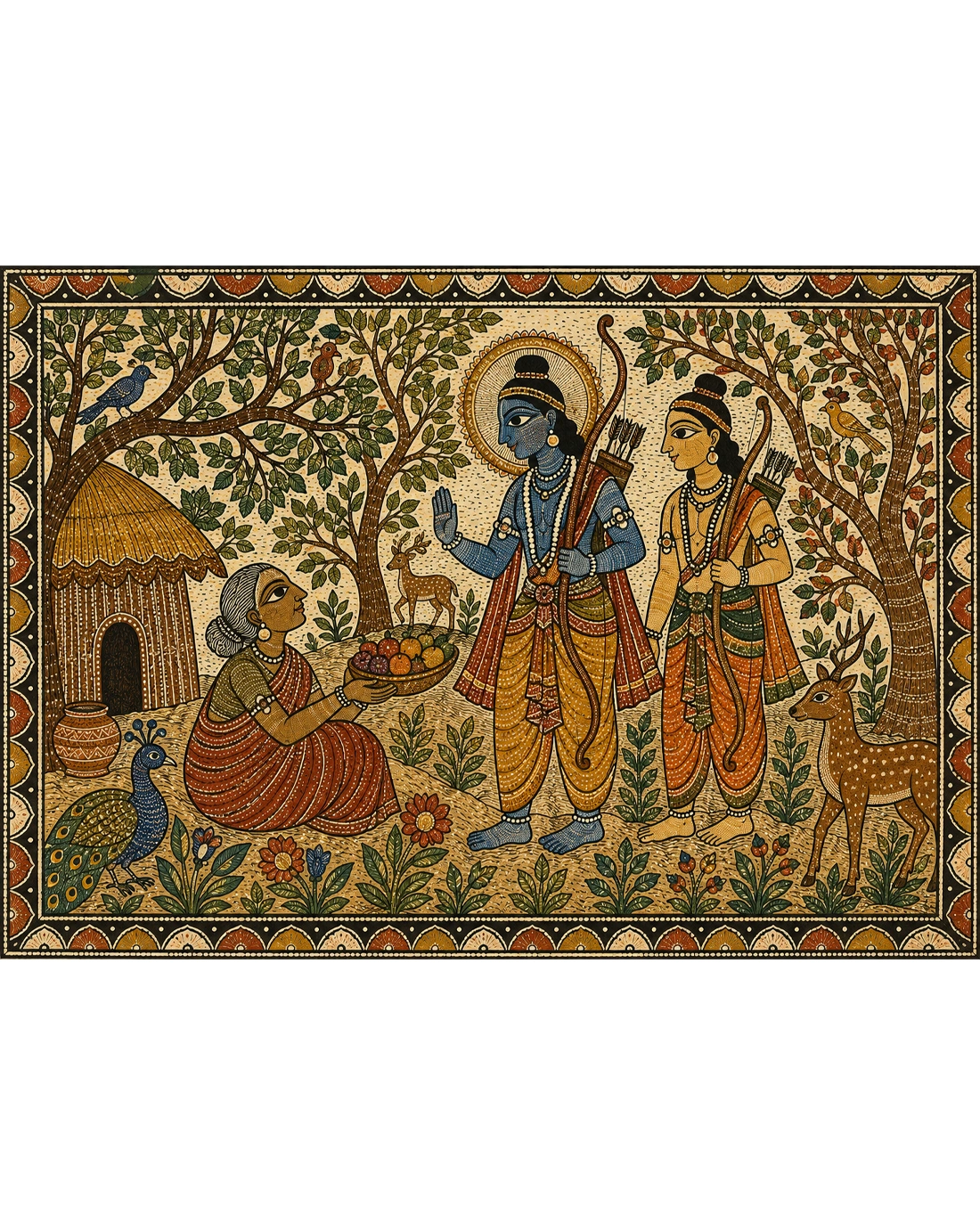
This is Pattachitra, the cloth-scroll painting tradition of Odisha and Bengal - one of the most demanding folk forms in India, and one of the most immediately recognisable.
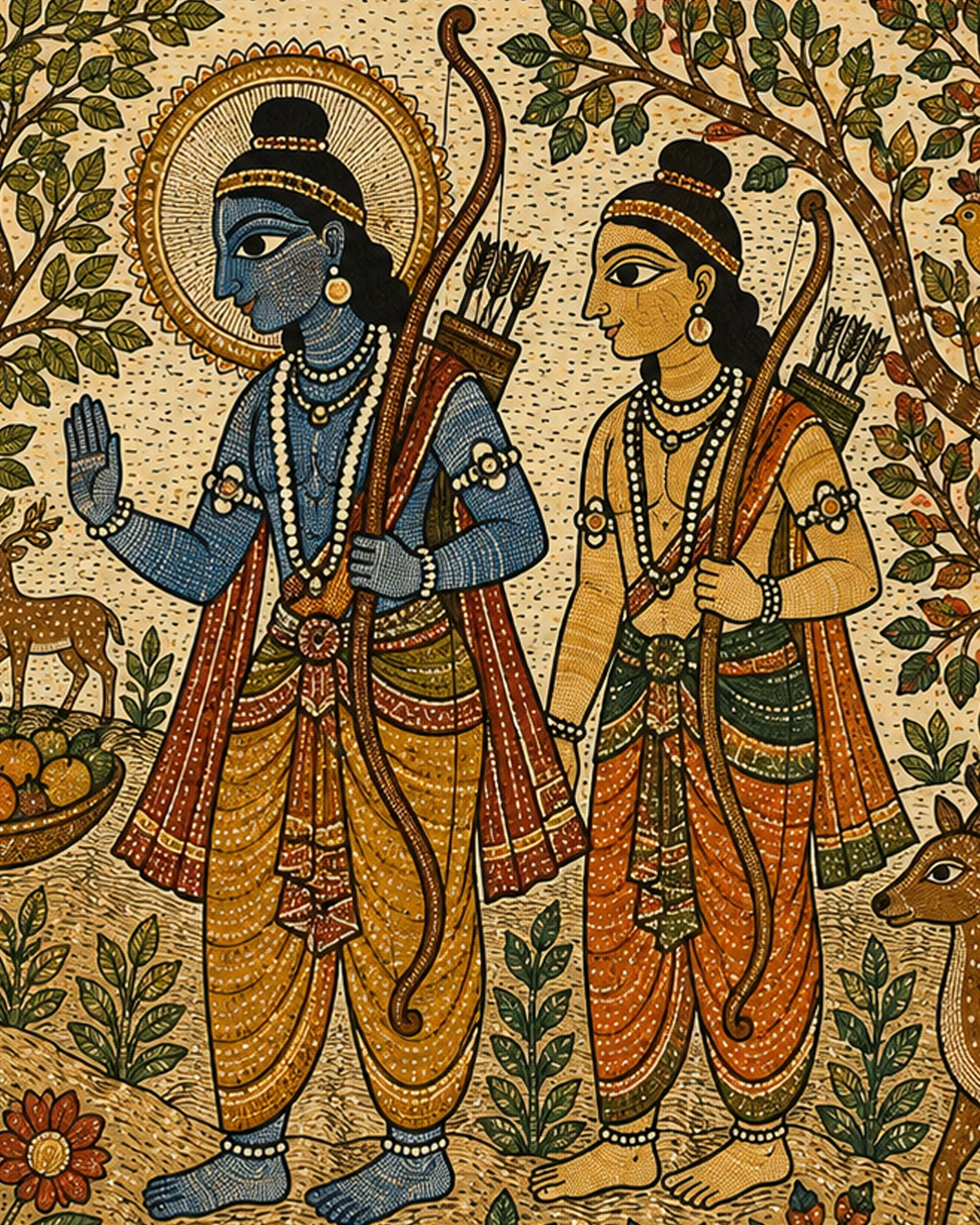
Its signature is here in full. The entire background is filled with fine dotted stippling, applied stroke by stroke so that no surface is ever left flat. The figures carry sharp black contour, elongated almond eyes, and the profile stance that Pattachitra has used for centuries. Rama is painted blue, Lakshmana gold - the traditional colouring, with Rama's halo worked as a rayed golden disc.
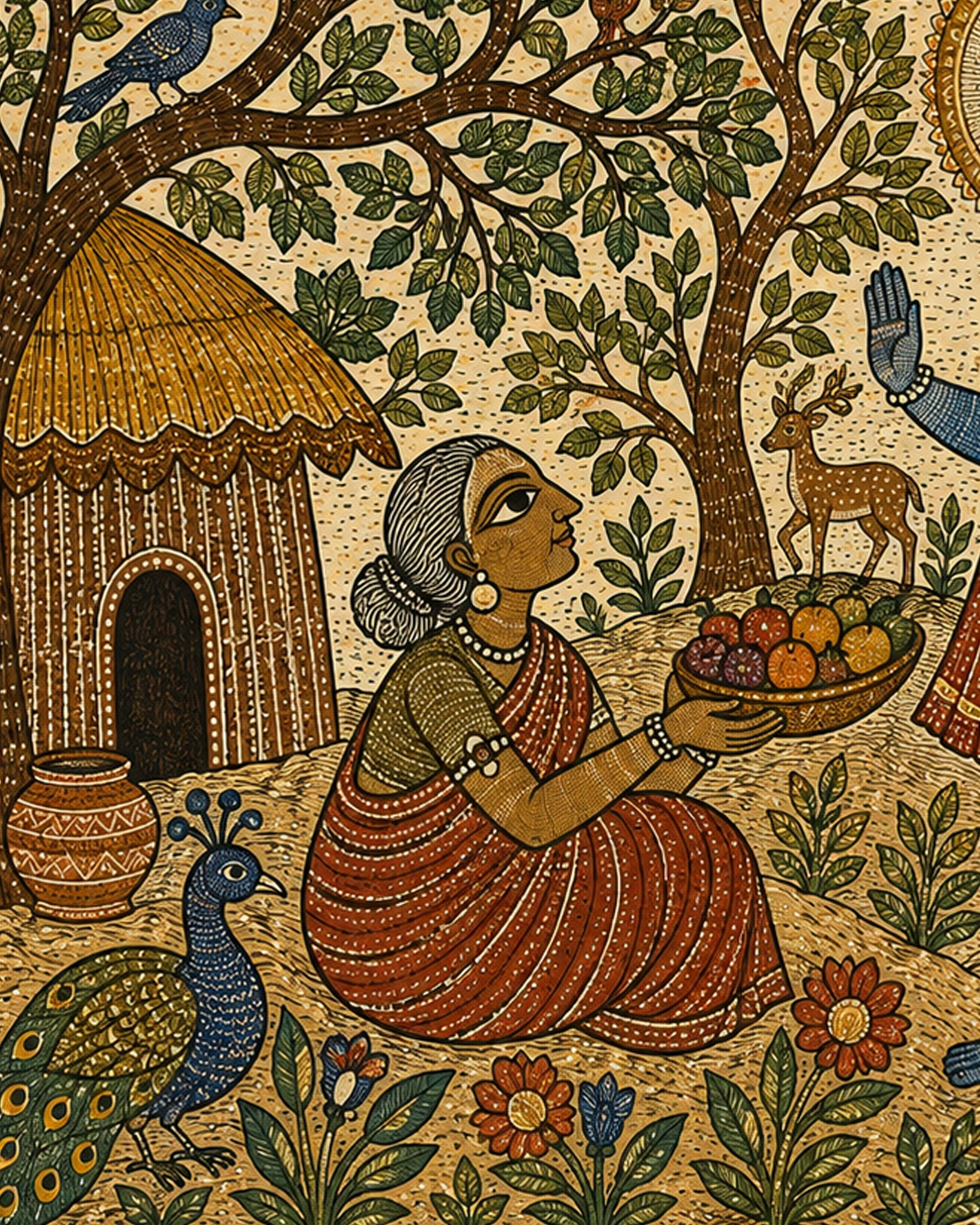
The detail is where this piece earns its place on a wall. Every dhoti carries its own woven pattern; every pearl in every strand of the necklaces is drawn individually. The deer are spotted one dot at a time, the peacock's tail is built eye by eye, and the thatch on the hut is combed line by line.
The border is not decoration - in Pattachitra, the border is painted first, and this one runs a full scalloped band of terracotta, ochre, olive and black around the entire scene. The frame is part of the painting, not an afterthought.
The palette stays with the traditional earth ground: turmeric ochre, terracotta, olive, indigo and lampblack on aged parchment. No modern brightness anywhere.
Printed on premium archival stock with pigment inks that hold their depth for decades - stipple work this dense is the first thing to turn muddy in cheap printing, and it is most of what you are buying. For the homes where a story still means something - housewarmings, weddings, parents' and grandparents' rooms, a pooja corner that deserves better than a calendar print. One frame, one old woman, and the moment the Ramayana stopped being about kings.
Story behind the artwork
She is old, she is poor, she has nothing but fruit - and in the Ramayana, this is one of the most important moments in the whole epic.
Her name is Shabari. She lived alone in the forest, an ascetic from a tribal community, and her guru had told her before he died that Rama would one day come to her hut. So she waited. Not for a week - for most of a lifetime. She swept the path every morning for a visitor who had not arrived yet.
And she picked berries. Every day. And because she was afraid of offering him something sour, she tasted each one before setting it aside - which, by the strict rules of the time, made every berry in that bowl unfit to give anyone, let alone a prince.
Rama ate them anyway.
That is the scene in this painting. Look at his raised right hand - the abhaya mudra, the gesture that means "do not be afraid." He isn't accepting fruit. He's telling an old woman she was never doing anything wrong. The whole story turns on the idea that devotion doesn't have to be clean to be accepted.
Around them, the forest has come to watch. Two spotted deer, a peacock, birds in every tree - and not one of them is fleeing from the men with bows. In this tradition, the animals staying put is the point. You can tell what a person is by what refuses to run from them.
Lakshmana stands slightly behind, as he does in every version of this story. Fourteen years of exile, and he is still one step back, still armed, still watching the trees.
Materials & dimensions
Care
Handle with clean, dry hands.
Avoid touching the printed surface.
Frame behind glass or acrylic.
Keep away from sunlight, heat, and moisture.
Dust gently with a soft cloth.
Never fold or tightly roll.
Store flat between acid-free sheets.
Avoid water, sprays, adhesives, and harsh chemicals.
More from this craft
-
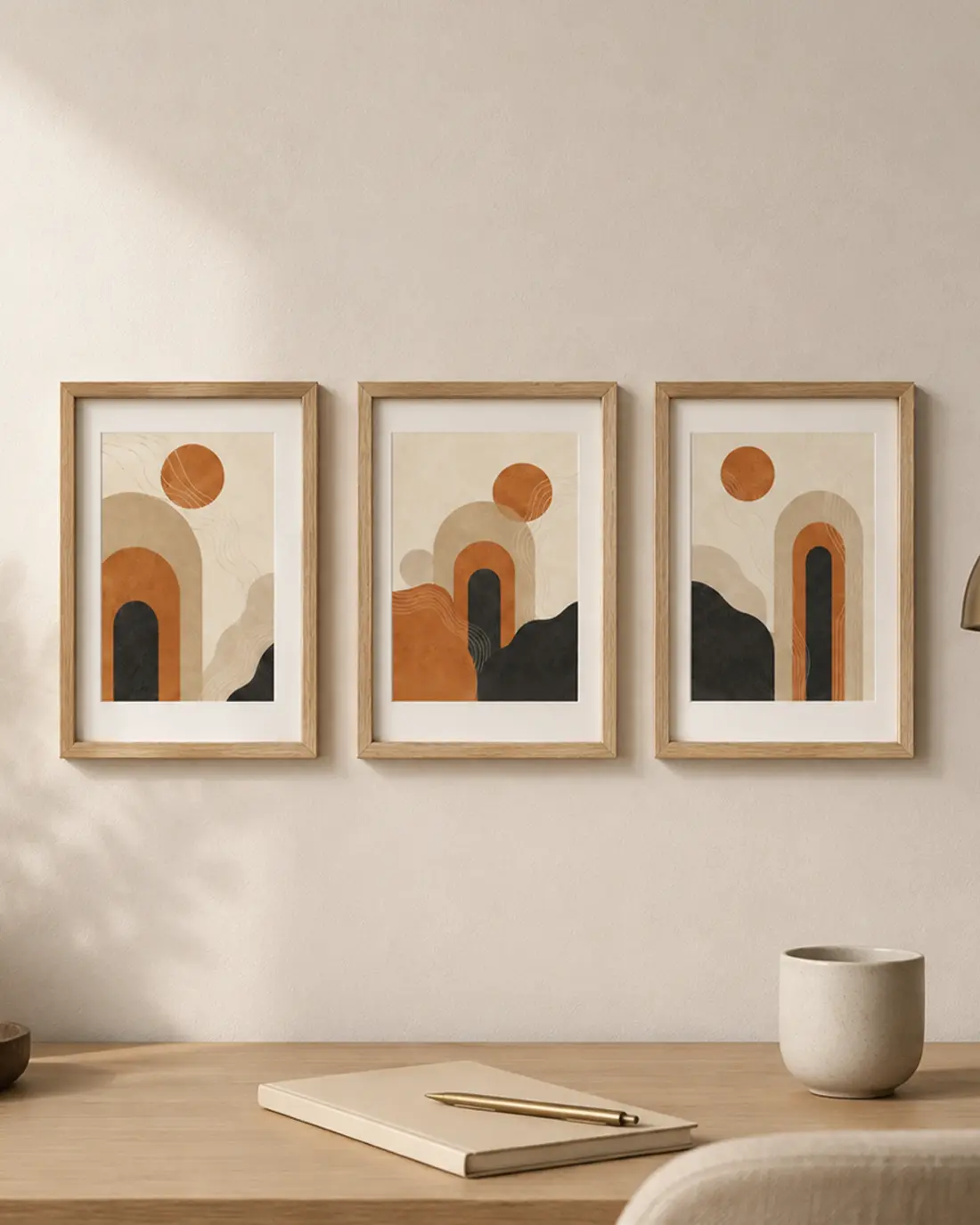 Desert Balance - Triptych Set
₹899
Rated 4.2/5 · 30 reviews
-
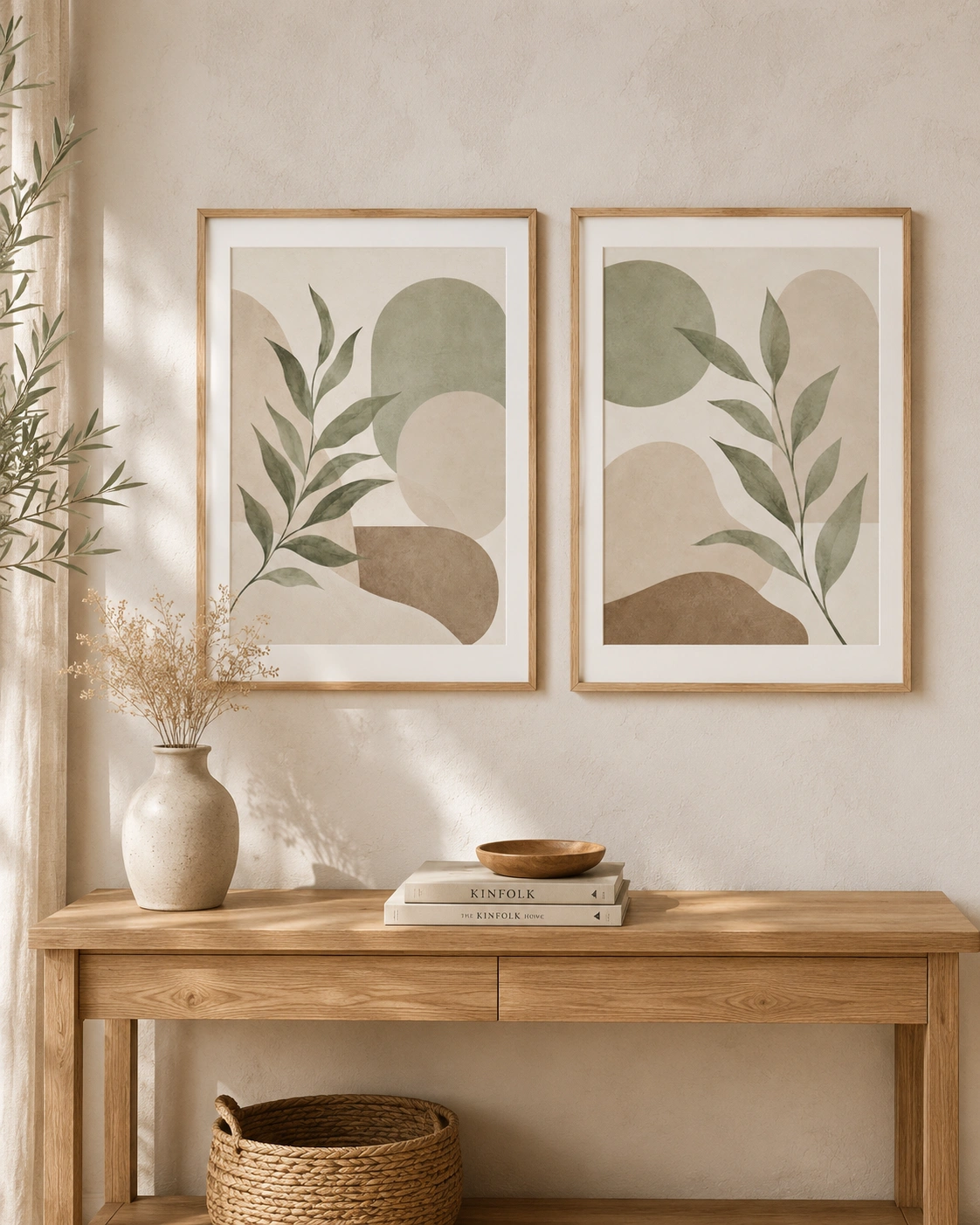 Quiet Botanicals - Triptych Set
₹899
-
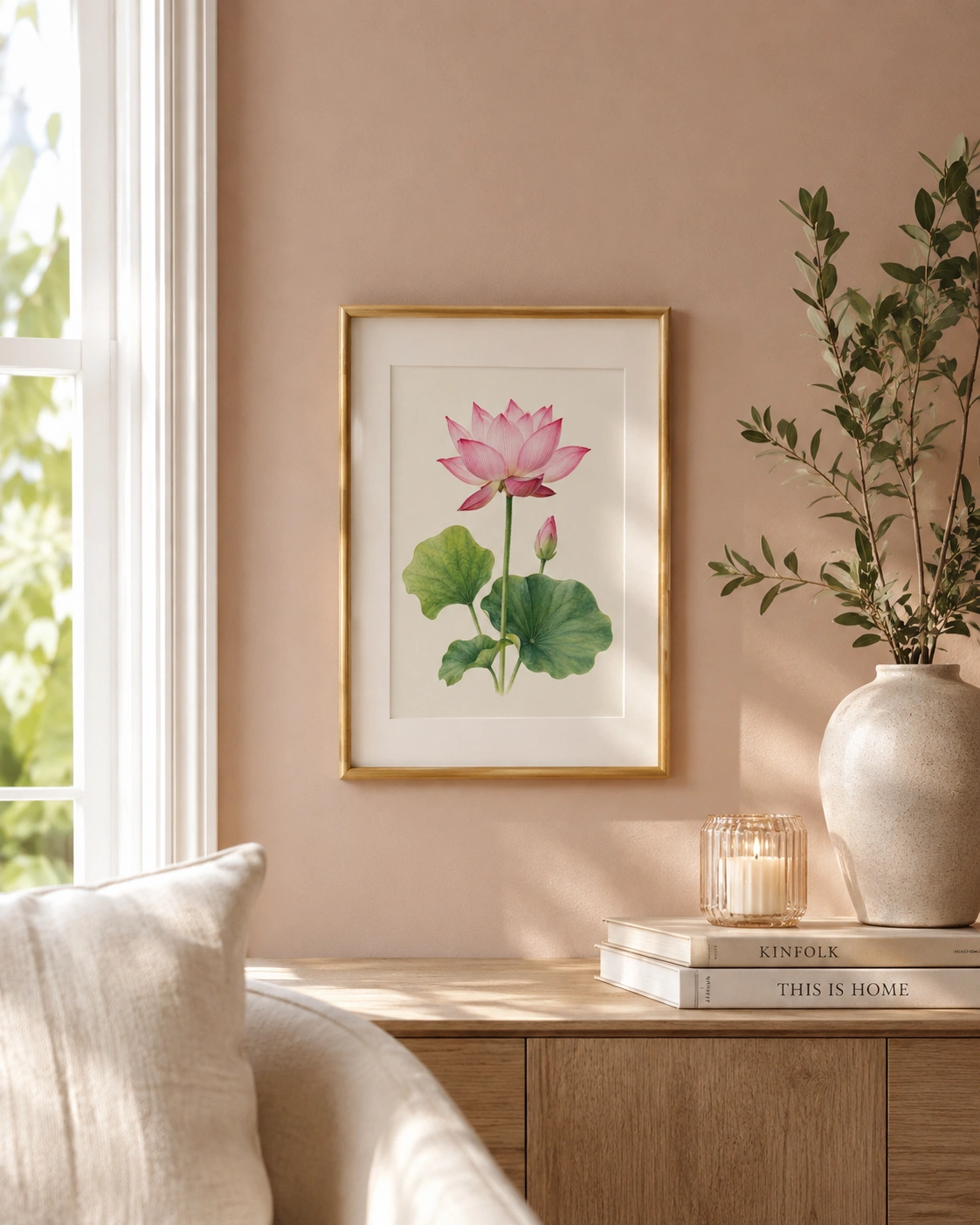 Lotus in Bloom – Botanical Study
₹499
-
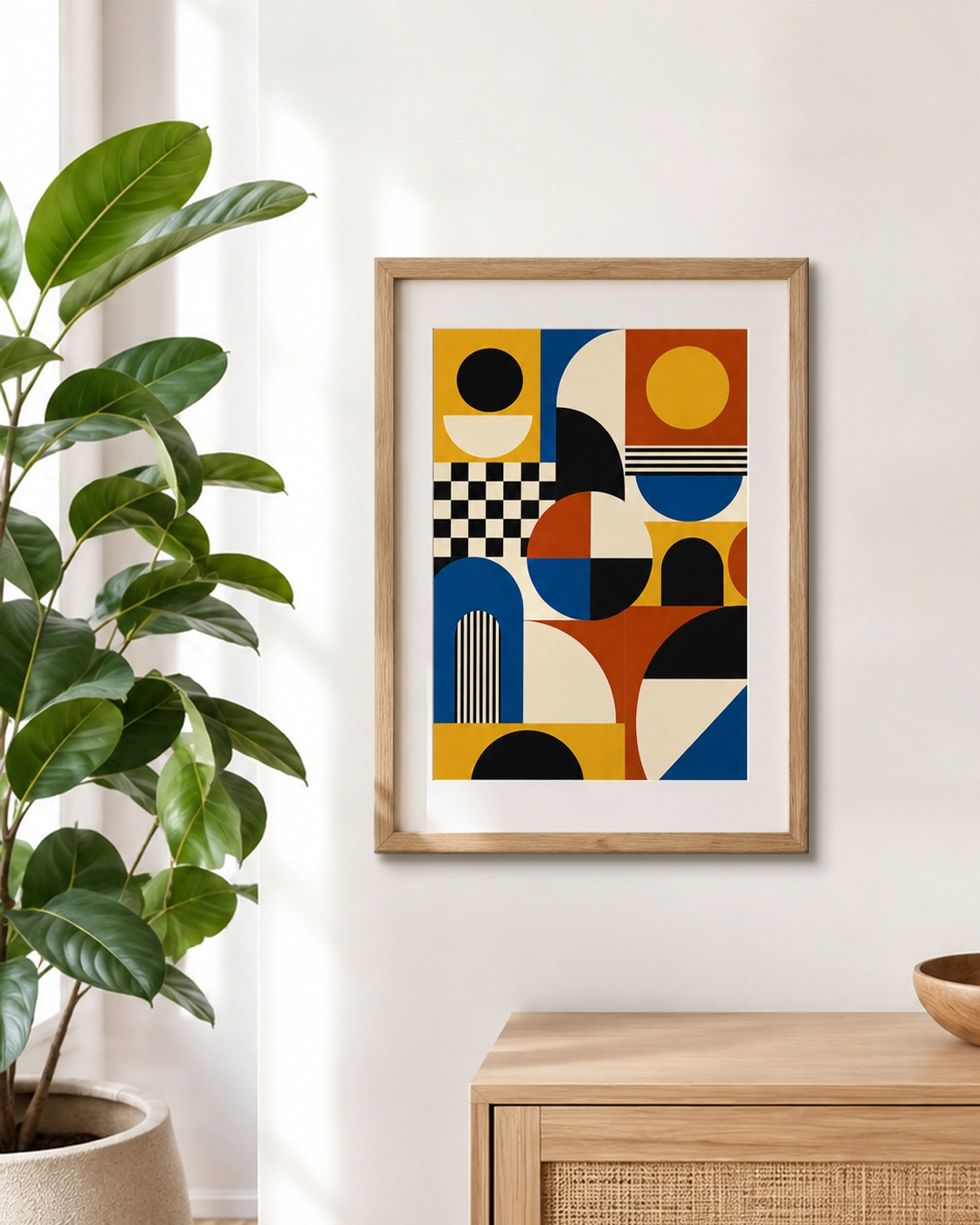 Rhythm in Form
₹499