
How to Choose Wall Art for Different Interior Styles
18 August 2026
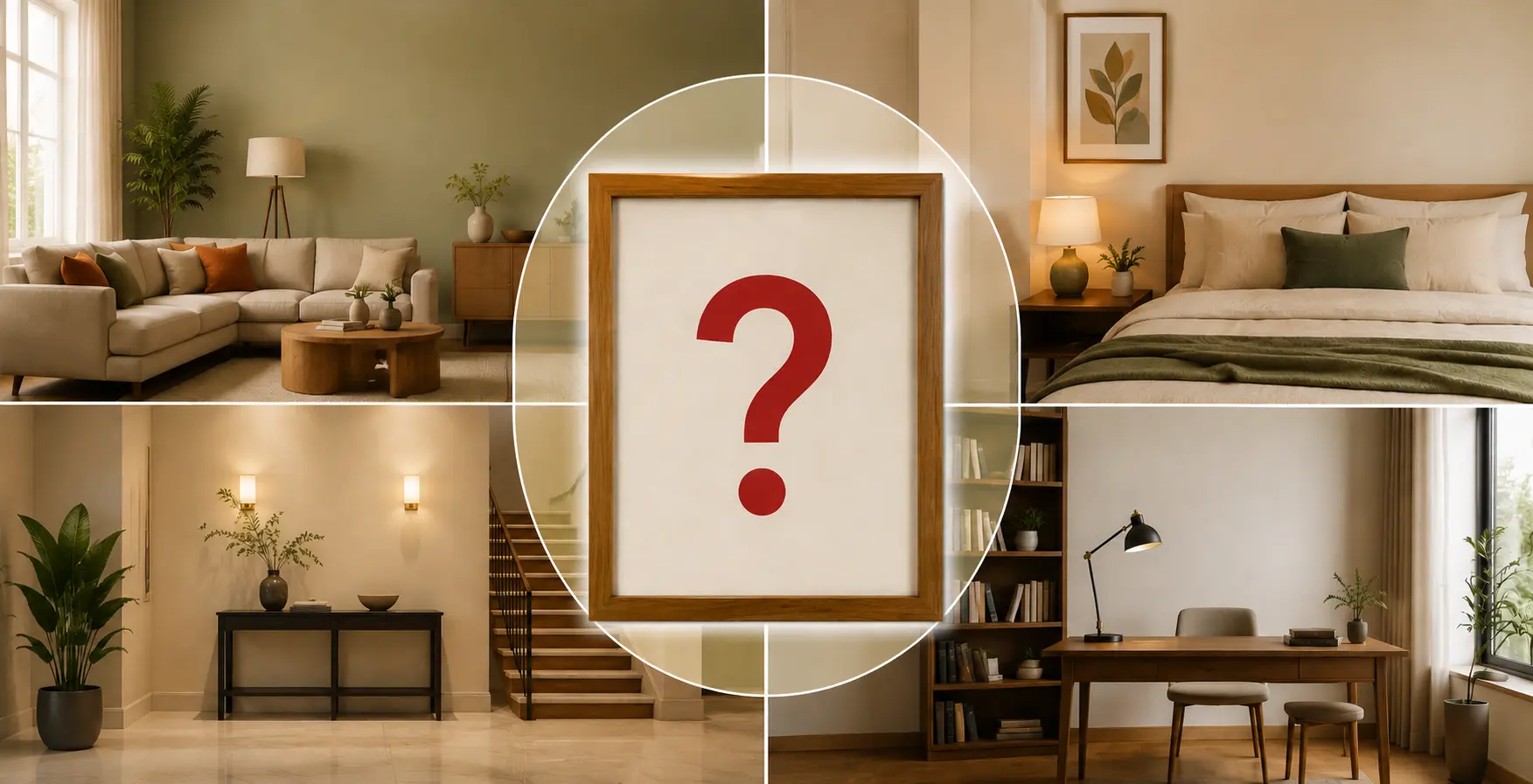
Choosing the right artwork can completely change the way a room feels. But with so many colours, styles, shapes, and designs available, knowing how to choose wall art that actually suits your home can be tricky. A painting may look beautiful on its own, yet feel out of place once it is on your wall.
The easiest approach is to look at the personality your room already has. Your furniture, colours, textures, lighting, and décor style can all help you decide what kind of artwork will feel natural in the space. At Kalakraft, the collection brings together botanical, abstract, geometric, landscape, and Indian folk-inspired artworks, making it easier to explore different styles for different interiors.
Why Your Interior Style Matters When Choosing Wall Art
Wall art is more than something used to fill an empty wall. It can bring together different elements of a room, introduce a new colour, or become the focal point that catches attention as soon as someone enters.
For example, a simple botanical artwork can complement a calm minimalist room, while a colourful folk-inspired painting may feel more at home in an eclectic space. Similarly, geometric artwork can reinforce the clean lines of a contemporary interior.
The goal isn't to make the painting match every object in the room. Instead, look for a connection between the artwork and the overall character of the space.
Wall Art for Different Interior Styles
Minimalist Interiors: Keep It Simple
Minimalist interiors usually focus on clean lines, open space, neutral colours, and limited decoration. The best minimalist wall art adds interest without making the room feel crowded.
For example, Silent Leaf Study combines a dark leafy silhouette with soft olive, mustard, cream, and beige tones. Its restrained composition can add character to a minimalist room while keeping the overall feeling calm.
Best suited: Botanical artwork, muted abstracts, simple landscapes, and clean silhouettes.
Japandi Interiors: Choose Calm, Earthy Artwork
When choosing artwork for this style, look for pieces that feel organic rather than overly dramatic. Landscapes, botanical studies, and understated abstracts can work particularly well.
Quiet Horizon - Abstract Landscape Triptych Set is a good example of this approach. Its soft, earthy palette can sit comfortably alongside natural wood, beige fabrics, and other neutral elements.
Best suited: Earthy landscapes, botanical art, muted abstracts, and nature-inspired artwork.
Contemporary Interiors: Experiment With Shape and Form
Contemporary interiors offer more freedom to experiment with colour, geometry, and composition. Here, modern wall art can become an important focal point rather than simply decorating an empty wall.
Geometric and abstract artwork can work especially well with clean-lined furniture and modern architectural details.
Poise in Geometry, for instance, combines circles, lines, blocks, and a human expression to create a balance between structure and emotion. It can add visual interest without losing the sophisticated feel of a contemporary space.
Best suited: Abstract art, geometric artwork, expressive portraits, and contemporary compositions.
Mid-Century Modern: Bring in Geometry and Warm Colour
Mid-century modern interiors are known for functional furniture, clean forms, natural wood, and carefully chosen accent colours. Artwork can introduce some of the playful geometry and warmth associated with this design style.
Look for circles, arches, stripes, blocks, and balanced colour combinations.
Rhythm in Form uses geometric shapes and a combination of warm and cool tones, making it a natural example of artwork that can complement this style.
The important thing is balance. If your furniture already has strong shapes, choose artwork that adds to the design without making the room feel visually crowded.
Bohemian and Eclectic Interiors: Embrace Colour and Character
Bohemian and eclectic interiors give you more freedom to mix patterns, textures, colours, plants, and decorative objects. Because the style is less restrictive, artwork with detail and personality can become an important part of the room.
Folk-inspired pieces, colourful botanical artwork, and paintings with a strong visual story can work beautifully here.
Birdsong in the Tree of Life, with its colourful birds, flowers, leaves, and decorative patterns, is one example of artwork that can complement a space filled with textures, plants, and expressive decor.
Indian-Inspired Interiors: Choose Art With a Story
Indian-inspired interiors don't always have to be completely traditional. A contemporary home can also use individual pieces of Indian art to introduce culture, warmth, and storytelling.
Circle of Life in Warli Village brings together Warli-inspired figures, village life, nature, celebration, and community in one composition. It can add cultural character to a room without requiring every element of the décor to follow the same traditional style.
For a more devotional setting, Divine Durga Darbar offers another approach, combining Goddess Durga and her divine family with intricate decorative details.
How to Match Wall Art With Your Existing Decor
Once you understand your interior style, how to choose wall art becomes much easier. You can start by looking at what is already present in your room.
Look at Your Colour Palette
Notice the colours in your walls, sofa, curtains, rugs, cushions, and other large elements. Your artwork doesn't need to use exactly the same shades, but a visual connection can make the room feel more cohesive.
Consider Your Furniture Style
Furniture can give you a useful starting point when selecting artwork for interior design.
Clean, simple furniture: Minimalist or geometric artwork
Natural wood and earthy materials: Botanical or landscape art
Traditional furniture: Folk or culturally inspired artwork
Modern furniture: Abstract or contemporary art
Mixed and expressive decor: Colourful or detailed artwork
These aren't strict rules. They're simply useful combinations to consider when you're unsure where to start.
Think About the Mood
Artwork can influence how a room feels.
Want a peaceful atmosphere? Soft botanical or landscape artwork may work well.
Want more energy? Look for stronger colours and dynamic compositions.
Want your space to feel personal? Consider folk-inspired, figurative, or expressive artwork with a story behind it.
Instead of asking only “What colour painting should I buy?”, think about how to choose wall art that suits the mood you want to create.
That question can often make the choice much easier.
Does Wall Art Have to Match Everything?
Not at all.
Trying to match every colour and pattern can actually make a room feel predictable. A little contrast can give the artwork-and the room-more personality.
A colourful painting can bring life to a neutral interior. A dark geometric piece can add definition to a light room. A delicate botanical artwork can soften furniture with strong, angular forms.
Think of coordination rather than perfect matching.
The artwork should feel like it belongs in the room, but it should still have its own character.
How to Choose Wall Art That Feels Right for Your Home
If you're still unsure, ask yourself five simple questions before making a decision:
1. What is the main style of my room?
Is it minimalist, contemporary, traditional, bohemian, Japandi, or a combination?
2. What colours are already present?
Look for artwork that complements them or introduces a deliberate accent.
3. What mood do I want to create?
Calm, warm, energetic, sophisticated, artistic, or traditional?
4. How much visual detail can the room handle?
A busy room may benefit from a simpler composition, while a neutral room can support something more detailed.
5. Do I genuinely like the artwork?
This may be the most important question. You're choosing something that will remain part of your home, so personal connection matters more than following every decorating rule.
Let Your Artwork Become Part of Your Home
The right artwork can do much more than fill a blank wall. It can bring colour into a quiet room, soften a structured interior, introduce cultural character, or create a focal point that ties different elements together.
You don't need to follow a strict formula. How to choose wall art depends on understanding your room, its personality, and the feeling you want the artwork to create.